Do Post-Release Stretches Hurt Your Baby?
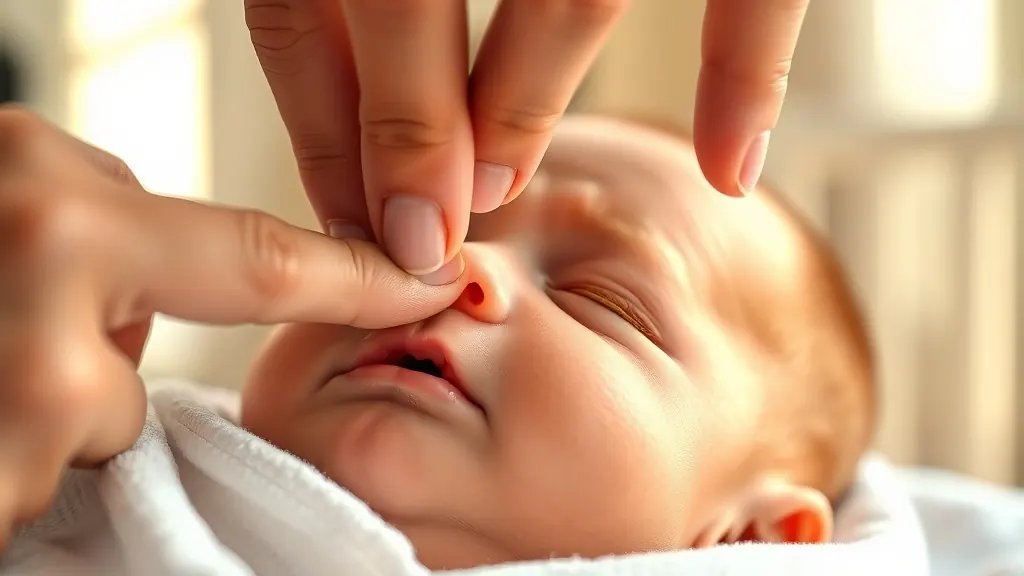
⚡ Key Clinical Takeaways
- Post-release stretches are uncomfortable for your baby, often causing brief moments of fussiness or crying, but they should not cause severe, lasting pain.
- After a tongue-tie or lip-tie release, a diamond-shaped wound is created under the tongue or under the lip.
- Most parents report that their baby exhibits clear signs of discomfort during the stretching motion itself.
- Using the correct technique is the most effective way to perform the stretches efficiently and minimize your baby's distress.
- It is vital to distinguish between the expected discomfort of stretching and signs of a potential problem.
Quick answer
Post-release stretches are uncomfortable for your baby, often causing brief moments of fussiness or crying, but they should not cause severe, lasting pain. A frenectomy is a minor oral procedure that releases a tight frenulum to improve tongue or lip function. The purpose of the stretches is to prevent the wound from healing back together (reattachment), which is crucial for the procedure's long-term success.
At a glance
- Stretch Duration: Each stretching session typically lasts 3-5 seconds per movement.
- Healing Window: The critical period for stretching is the first 2-3 weeks after the procedure.
- Frequency: Stretches are usually required 4-6 times per day.
- Discomfort Peak: The first 3-5 days after the release are often the most uncomfortable.
- Comfort Measures: Feeding the baby or using a clean finger to offer comfort immediately after stretching is recommended.
Understanding post-frenectomy wound care
After a tongue-tie or lip-tie release, a diamond-shaped wound is created under the tongue or under the lip. The body’s natural healing process is to fill this space with new tissue. Without intervention, the two raw surfaces can easily reattach, potentially resulting in a tie that is as tight or tighter than the original. Stretching physically separates these surfaces, guiding the body to heal the wound with flexible scar tissue instead of re-forming a restrictive frenulum. This is why consistent aftercare is considered non-negotiable by most providers.
What to expect during stretching
Most parents report that their baby exhibits clear signs of discomfort during the stretching motion itself. This can include:
- Brief crying or fussing during the 3-5 second stretch.
- Pulling away or wriggling.
- A momentary startle reflex.
The good news is that this discomfort is usually very short-lived. Most babies calm down within 30-60 seconds after the stretch is complete, especially when followed by feeding, holding, or other soothing techniques. The sensation is often compared to the discomfort of cleaning a minor scrape—necessary for proper healing but not causing harm.
Proper stretching technique to minimize discomfort
Using the correct technique is the most effective way to perform the stretches efficiently and minimize your baby's distress.
- Wash Hands: Always start with clean hands, trimmed short nails.
- Position Baby: Swaddle your baby securely to gently immobilize their arms.
- Identify Landmarks: Place your index fingers inside the wound area as demonstrated by your provider—typically one finger pad on each side of the diamond.
- Lift and Separate: Gently but firmly lift the tongue (for a lingual release) or pull the lip (for a labial release) to fully open the diamond, holding for 3-5 seconds.
- Rotate/Sweep: Gently sweep or rotate your finger to ensure all edges of the wound are separated.
- Immediate Comfort: Offer the breast, bottle, or a clean pacifier immediately after.
Pain vs. discomfort: knowing the difference
It is vital to distinguish between the expected discomfort of stretching and signs of a potential problem. Expected discomfort is brief and resolves quickly with comfort. The following table outlines the difference.
| Expected Discomfort (Normal) | Signs of Potential Problem (Call Your Provider) |
|---|---|
| Brief crying during the stretch. | Inconsolable crying lasting more than an hour after stretching. |
| Fussing for less than a minute afterward. | Refusing to eat for multiple feeds in a row. |
| Calms quickly when picked up, swaddled, or fed. | Signs of infection: increased redness, swelling, foul odor, or fever. |
| Minor, spotty bleeding in the first 24-48 hours. | Significant, persistent bleeding that doesn't stop with light pressure. |
How long will my baby be uncomfortable?
The intensity of your baby's reaction typically diminishes over time. The first 3-5 days are usually the most challenging, as the wound is freshest and the process is new for both parent and baby. By the end of the first week, many babies become accustomed to the routine, and their protests lessen noticeably. By the second week, the wound is often less sensitive, and stretches may only cause minor fussing or no reaction at all. Consistency is key; skipping stretches because your baby fusses can lead to reattachment and the need for a second release after a failed frenectomy.
Comforting your baby after stretches
Your response after stretching is as important as the technique. Effective soothing strategies include:
- Immediate Feeding: Offering breast or bottle right after stretching uses the suck-swallow reflex to comfort and helps remind baby of the new functional range.
- Skin-to-Skin Contact: Holding your baby against your bare chest can regulate their heartbeat and reduce stress.
- Swaddling: A secure swaddle provides a sense of safety.
- Gentle Motion: Rocking, bouncing on a yoga ball, or a short walk can be calming.
- White Noise: The shushing sound mimics the womb and can soothe crying.
The consequences of skipping stretches
While it's emotionally difficult to cause your baby momentary distress, understanding the risks of not stretching is crucial. Inadequate aftercare is the primary reason for reattachment. Reattachment can mean:
- The initial procedure was ineffective, and all original feeding, speech, or dental issues return.
- Needing a tongue tie revision procedure, which is often more complex.
- Extended discomfort and stress for your baby without achieving the desired functional improvement.
The short-term discomfort of consistent stretching is a trade-off for the long-term benefit of a successful, functional release. For more on the healing journey, see our guide on frenectomy recovery stages.
Steps to take if you're struggling with aftercare
If you find the stretching process overwhelmingly difficult, take these concrete steps:
- Contact Your Provider: Reach out to your pediatric dentist, ENT, or lactation consultant. They can re-demonstrate the technique to ensure you're doing it correctly and efficiently.
- Seek Support: Ask your partner, a family member, or a friend to help—one person can swaddle and comfort while the other performs the stretch.
- Record a Session: If allowed, record a video of your stretching technique to show your provider for feedback.
- Focus on the "Why": Remind yourself of the reasons you pursued the release—improved feeding, less pain, better weight gain—to stay motivated during challenging moments.
- Attend Follow-Up: Ensure you go to your scheduled infant frenectomy follow-up appointment so your provider can check healing progress.
Frequently Asked Questions
Why do the stretches look so aggressive?
The stretches must physically reach into the wound site to separate the healing surfaces. While the motion can look intense, a trained provider ensures you are targeting the correct tissue depth to be effective without causing injury.
Can I give my baby pain relievers before stretching?
You should never give any medication without explicit instruction from your baby's healthcare provider. Some providers may recommend a specific, weight-appropriate dose of infant acetaminophen if discomfort is significantly impacting feeding or sleep.
What if my baby doesn't cry during stretches?
Some babies are less sensitive and may only fuss or grimace. Not crying doesn't mean the stretches aren't working, as long as you are performing the technique correctly and fully opening the wound diamond.
How will I know if the wound is reattaching?
Signs of reattachment include the wound site appearing closed or fused, a white band forming across the diamond, and a return of pre-release symptoms like clicking during feeds or a poor latch.
Is it too late if I missed a few stretches?
If you miss a session, simply resume the schedule as soon as you can. Consistency going forward is most important. If you suspect reattachment, contact your provider for an assessment.
Do stretches hurt more with laser or scissors?
The discomfort from stretching is related to the wound healing process, not the tool used for the release. Both laser and scissor techniques require the same essential aftercare protocol.
References
- American Academy of Pediatrics (AAP). Clinical Report on Ankyloglossia in Breastfeeding Infants. Pediatrics.
- National Health Service (NHS) UK. Tongue-tie Division: Information for Parents.
- American Academy of Pediatric Dentistry (AAPD). Policy on Pediatric Oral Surgery & Ankyloglossia.
- Mayo Clinic. Tongue-tie (Ankyloglossia) – Diagnosis and Treatment.
- Cochrane Review. Interventions for Infantile Ankyloglossia: A Systematic Review.
Medical disclaimer
This information is for educational purposes only and is not medical advice. Always consult with a qualified healthcare provider for diagnosis, treatment decisions, and aftercare instructions tailored to your child's specific needs. Reviewed by the frenectomyguide.com editorial team · Last updated 2026-10-31.
Ready to find an accredited frenectomy provider near you?
Browse 15,302 verified frenectomy centers (0 verified), filter by tests and treatments, and reach out directly — all in one verified directory.
🔍 Search Accredited Centersor call a clinic directly from its profile — every listing has a verified phone number.
This medical guide complies with the American Academy of Oral Surgery (AAPD) standards of care for oral restrictions and reflects generally accepted clinical guidelines. It is informational and not a substitute for personalized medical advice.