Brushing Teeth After a Frenectomy
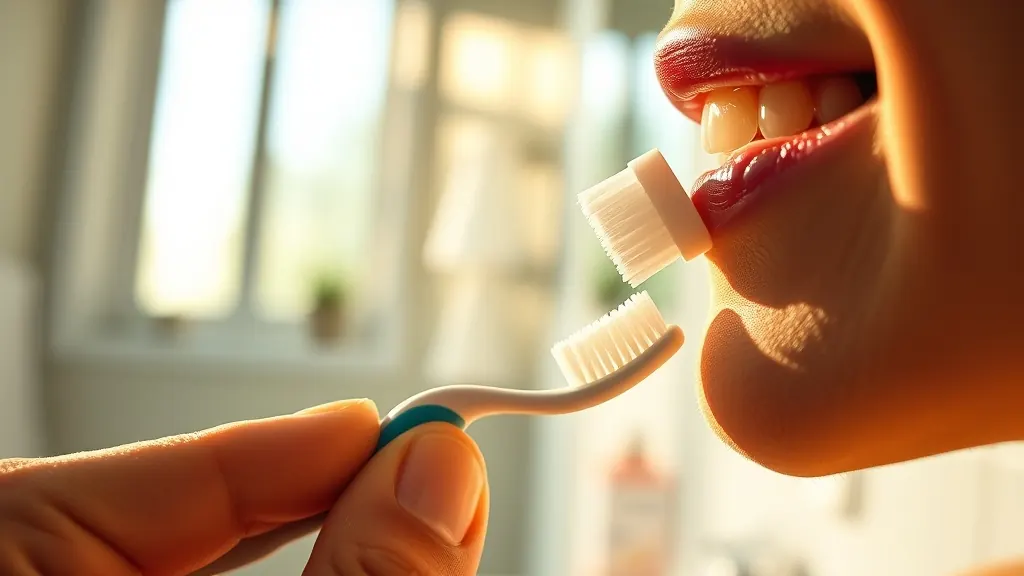
⚡ Key Clinical Takeaways
- You can typically resume gentle brushing of your teeth 24 hours after a frenectomy, avoiding direct contact with the surgical site for the first 3-5 days.
- You can begin brushing your teeth carefully 24 hours after the procedure.
- Gentle technique is paramount to protect the healing tissue.
- Certain actions can set back your healing.
- Keeping the frenectomy area clean is essential for preventing infection and frenectomy complications , but it must be done without brushing.
Quick answer
You can typically resume gentle brushing of your teeth 24 hours after a frenectomy, avoiding direct contact with the surgical site for the first 3-5 days. A frenectomy is a minor surgical procedure to release a tight or thick frenulum, the band of tissue connecting the tongue to the floor of the mouth or the lip to the gum. Proper oral hygiene is crucial during recovery to prevent infection while allowing the wound to heal undisturbed.
At a glance
- Wait at least 24 hours after surgery before brushing any teeth.
- Avoid brushing directly on the surgical site for the first 3-5 days.
- Use a soft-bristled or extra-soft toothbrush.
- You may experience minor bleeding for 2-3 days; this is often normal.
- Full healing of the soft tissue typically takes 2-3 weeks.
- A white or yellowish film (fibrin) at the site is a normal part of healing for 5-7 days.
When can I start brushing after a frenectomy?
You can begin brushing your teeth carefully 24 hours after the procedure. This initial brushing should focus only on the teeth far from the surgical site. For example, if you had an upper lip tie (maxillary frenectomy), you can brush your lower teeth and the upper back molars, carefully avoiding the front upper gum area. This 24-hour window allows initial clot formation and reduces the risk of disrupting the wound.
How to brush your teeth safely after surgery
Gentle technique is paramount to protect the healing tissue. Follow these steps for the first week post-surgery.
- Choose the right tool: Use a new, soft-bristled or extra-soft toothbrush. A pediatric toothbrush can be an excellent choice due to its small, gentle head.
- Use minimal toothpaste: A pea-sized amount of non-abrasive, alcohol-free fluoride toothpaste is sufficient. Avoid whitening or tartar-control pastes initially, as they can be irritating.
- Brush slowly and gently: Use very soft, circular motions. Let the bristles gently clean the tooth surfaces without scrubbing or pressing hard against the gums.
- Avoid the surgical site: Consciously steer clear of the area where the frenectomy was performed. It’s more important to keep the site clean via gentle rinsing than to brush over it.
- Rinse carefully: After brushing, take a small sip of water, swish it very gently side-to-side, and let it fall passively into the sink. Do not spit forcefully.
What to avoid while brushing
Certain actions can set back your healing. Avoid these common mistakes:
- Scrubbing or aggressive brushing: This can tear the delicate healing tissue.
- Electric toothbrushes: Do not use an electric toothbrush on any teeth for at least the first 5-7 days, as the vibrations can disturb the surgical site.
- Direct contact with the wound: Do not brush the frenectomy site itself until your provider gives the okay, usually at your follow-up visit.
- Whitening or baking soda toothpaste: These are abrasive and can irritate the wound.
- Flossing near the site: Avoid flossing adjacent to the surgical area for the first 5-7 days.
Cleaning the surgical site without brushing
Keeping the frenectomy area clean is essential for preventing infection and frenectomy complications, but it must be done without brushing. Your provider will likely recommend a post-operative rinse protocol.
| Method | Purpose & Timing | Instructions |
|---|---|---|
| Salt Water Rinse | Reduces bacteria & soothes tissue. Start 24 hours post-op. | Mix 1/2 tsp salt in 8 oz warm water. Gently swish after meals and before bed. Do not spit forcefully. |
| Prescribed Rinse | Antimicrobial (e.g., chlorhexidine). Use only if prescribed. | Use exactly as directed, typically 2x daily for 5-7 days. Do not use alcohol-based mouthwash. |
| Gentle Water Rinse | Clears food debris. Use after every meal or snack. | Use plain lukewarm water. Swish gently and let it dribble out. |
Normal healing signs vs. warning signs
Understanding what to expect helps you monitor your recovery effectively.
Normal Healing Signs (First 1-2 Weeks):
- A white, yellow, or grayish film (fibrin) forming over the site.
- Mild pink or red tissue surrounding the film.
- Minimal oozing or spotting of blood for 2-3 days.
- Mild discomfort or a feeling of tightness.
- Gradual shrinking of the white film and filling in of the diamond-shaped wound.
Warning Signs (Contact Your Provider):
- Increased pain after the first 3 days.
- Excessive bleeding that doesn’t slow with gentle pressure.
- Pus or a foul-smelling discharge.
- Fever over 100.4°F (38°C).
- Increased redness, swelling, or heat spreading from the site.
- Difficulty swallowing or breathing (seek immediate care).
If you notice warning signs, contact your surgeon or dentist promptly. For context on the full frenectomy recovery timeline, see our dedicated guide.
Brushing for infants and children after a frenectomy
Oral care for young patients requires extra caution. For infants who have not yet erupted teeth, gently wipe the gums with a clean, damp gauze pad, avoiding the surgical site. For toddlers and children with teeth, use a soft, child-sized toothbrush. A parent should do the brushing to ensure it remains gentle and avoids the wound. Distraction, such as singing a song or using a timer, can be helpful. Consistency with any recommended infant release stretches is also crucial for preventing reattachment.
Timeline for returning to normal oral hygiene
Healing is a gradual process, and your oral hygiene routine should adapt accordingly.
- Days 1-3: No brushing of teeth near the site. Gentle salt water rinses only.
- Days 4-7: You may begin to very gently brush the tips of the teeth adjacent to the surgery site, still avoiding direct contact with the gum wound.
- Week 2: At your follow-up appointment, your provider will assess healing. They will often clear you to brush over the healed area with extreme softness.
- Weeks 3-4: You can typically resume normal, gentle brushing over the entire mouth, including the surgical site, which should now be mostly healed.
- After 1 month: Full, normal brushing and flossing can usually be resumed, provided healing is complete.
Frequently Asked Questions
When can I use mouthwash after a frenectomy?
You can use a gentle, alcohol-free salt water rinse 24 hours after surgery. If a medicated mouthwash like chlorhexidine is prescribed, use it as directed, usually starting the day after surgery. Avoid over-the-counter alcohol-based mouthwashes for at least two weeks, as they can sting and delay healing.
Is it normal for the surgical site to turn white?
Yes, a white, yellow, or grayish film (fibrin clot) is a standard and expected sign of healing. It forms within a day or two and typically lasts for 5-10 days as new tissue forms underneath. Do not try to scrub or pick it off.
What if I accidentally brush the frenectomy site?
If you brush the site lightly, don’t panic. Rinse gently with salt water and monitor it. If you notice increased bleeding, pain, or if the tissue looks torn, contact your provider for advice.
Can I use an electric toothbrush?
Avoid using an electric toothbrush for at least the first week, as the vibrations can disrupt the healing tissue. When you resume, use it on a low setting and avoid direct contact with the surgical site until it is fully healed (usually 3-4 weeks).
How do I clean my tongue after a frenectomy?
Avoid cleaning your tongue directly for the first 5-7 days, especially after a lingual frenectomy. After that, you can use a tongue cleaner very gently, starting from the back and moving forward, avoiding any stretching or pulling on the healing area.
When can I floss again?
Wait at least 5-7 days before flossing teeth immediately adjacent to the surgical site. Be very gentle when you resume. For areas not near the surgery, you can usually floss normally after 24-48 hours, provided you are careful.
References
- American Academy of Pediatric Dentistry. (2023). Policy on Oral Health Care for Infants.
- National Health Service (NHS) UK. (2025). Tongue-tie (ankyloglossia) division.
- Mayo Clinic. (2024). Tongue-tie (ankyloglossia): Diagnosis & treatment.
- Cleveland Clinic. (2024). Frenectomy: Procedure Details & Recovery.
- American Academy of Otolaryngology–Head and Neck Surgery. (2023). Tongue-Tie (Ankyloglossia).
Medical disclaimer
This article is for informational purposes only and is not medical advice. It does not replace professional medical advice, diagnosis, or treatment. Always seek the advice of your surgeon, dentist, or other qualified health provider with any questions you may have regarding a medical condition or procedure. Reviewed by the frenectomyguide.com editorial team · Last updated 2026-10-31.
Ready to find an accredited frenectomy provider near you?
Browse 15,302 verified frenectomy centers (0 verified), filter by tests and treatments, and reach out directly — all in one verified directory.
🔍 Search Accredited Centersor call a clinic directly from its profile — every listing has a verified phone number.
This medical guide complies with the American Academy of Oral Surgery (AAPD) standards of care for oral restrictions and reflects generally accepted clinical guidelines. It is informational and not a substitute for personalized medical advice.